Methods for Locating Missing Persons: How Missing Persons Are Located in Minnesota
- jerrynegen
- Mar 23
- 4 min read
When a person goes missing, the urgency to locate them is paramount. Minnesota has established a comprehensive system involving law enforcement, private investigators, and community resources to address these situations effectively. Understanding the methods for locating missing persons in Minnesota can provide clarity and reassurance to those seeking answers. This article outlines the key procedures, technologies, and strategies used to find missing individuals in the state.
Methods for Locating Missing Persons in Minnesota
Minnesota employs a variety of methods to locate missing persons, combining traditional investigative techniques with modern technology. These methods are designed to maximize the chances of a safe and timely recovery.
Law Enforcement Involvement
The first step typically involves reporting the missing person to local police or sheriff’s departments. Authorities gather essential information such as physical description, last known location, and possible reasons for disappearance. They then initiate an investigation that may include:
Interviewing family, friends, and witnesses
Reviewing surveillance footage from nearby locations
Checking hospitals, shelters, and other relevant facilities
Coordinating with other agencies for broader searches
Use of Technology
Technology plays a critical role in locating missing persons. Law enforcement and private investigators use tools such as:
Cell phone tracking: Analyzing GPS data and call records to determine the last known location
Social media monitoring: Searching for clues or posts that might indicate the person’s whereabouts
License plate readers and traffic cameras: Tracking vehicle movements
Database searches: Accessing national and state databases for any recent activity
Community Engagement
Public awareness campaigns and community involvement are vital. Authorities often release information to the public through media outlets and social media platforms. This encourages citizens to report sightings or provide tips, which can be crucial in the early stages of a search.

Police vehicles are often the first responders in missing person cases.
What is the Fastest Way to Find a Missing Person?
Speed is essential when locating a missing person. The fastest way to find someone often involves a coordinated approach that leverages immediate reporting, technology, and expert investigation.
Immediate Reporting
Promptly reporting a missing person to authorities is critical. Delays can reduce the chances of a quick recovery. Once reported, law enforcement can issue alerts and begin active searches.
Utilizing Technology Quickly
Rapid access to cell phone data, surveillance footage, and social media activity can provide real-time leads. For example, GPS tracking can pinpoint a person’s location within minutes if the device is active.
Engaging Private Investigators
Private investigators specializing in missing persons can supplement law enforcement efforts. They often have access to additional resources and networks that can accelerate the search process.
Coordinated Search Efforts
Organizing search parties and using trained search and rescue teams can cover large areas efficiently. These teams use mapping tools and canine units to locate individuals in wilderness or urban environments.
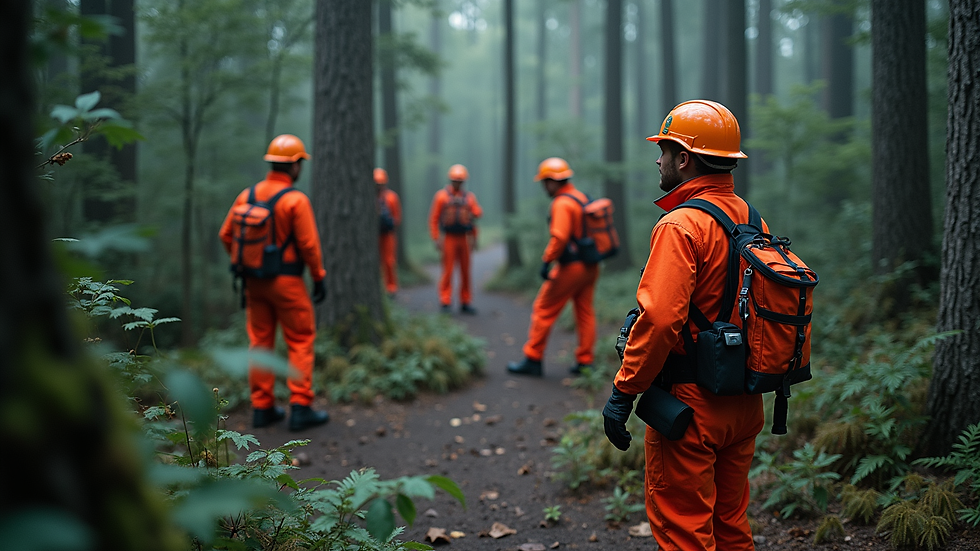
Search and rescue teams play a vital role in locating missing persons in challenging terrains.
The Role of Private Investigators in Minnesota
Private investigators are an important resource in locating missing persons in Minnesota. They provide specialized skills and personalized attention that can complement official investigations.
Expertise and Experience
Private investigators have training in surveillance, interviewing, and data analysis. They can uncover leads that might be overlooked by others.
Confidentiality and Discretion
Many families prefer private investigators for their ability to conduct searches discreetly, protecting the privacy of those involved.
Access to Additional Resources
Private investigators often have access to databases and contacts not readily available to the public or even law enforcement. This can include financial records, employment history, and social connections.
Collaboration with Law Enforcement
While private investigators work independently, they often collaborate with police to share information and coordinate efforts, ensuring a comprehensive approach.
Legal and Ethical Considerations in Locating Missing Persons
Locating missing persons involves sensitive legal and ethical issues. Investigators and authorities must balance the urgency of the search with respect for privacy and legal rights.
Consent and Authorization
Investigations typically require consent from family members or legal guardians. In some cases, court orders may be necessary to access private information.
Respect for Privacy
Investigators must avoid intrusive or illegal methods. Maintaining confidentiality is essential to protect the dignity of the missing person and their family.
Compliance with State and Federal Laws
Minnesota has specific laws governing missing persons cases, including mandatory reporting requirements and protocols for handling vulnerable populations such as minors or individuals with disabilities.
Ethical Reporting
Information released to the public must be accurate and responsible to avoid misinformation or panic.
How Technology is Shaping the Future of Locating Missing Persons
Advancements in technology continue to improve the effectiveness of locating missing persons in Minnesota. Emerging tools and innovations offer new possibilities for faster and more accurate searches.
Artificial Intelligence and Data Analytics
AI can analyze large volumes of data from social media, public records, and surveillance footage to identify patterns and potential leads.
Drones and Aerial Surveillance
Drones equipped with cameras and thermal imaging can cover large or difficult terrain quickly, providing real-time visuals to search teams.
Mobile Apps and Alert Systems
Apps designed for missing persons alerts can notify community members instantly, increasing the chances of timely sightings.
Enhanced Communication Networks
Improved coordination between agencies through integrated communication systems ensures that information is shared promptly and efficiently.
These technological advancements, combined with traditional investigative methods, create a robust framework for locating missing persons in Minnesota.
Taking Action When a Person Goes Missing
If a person is missing, taking immediate and informed action is crucial. Here are practical steps to follow:
Report to Authorities Immediately
Contact local police or sheriff’s office without delay. Provide detailed information including recent photos, physical description, and any relevant circumstances.
Gather and Share Information
Collect information from friends, family, and acquaintances. Share this with investigators to help build a comprehensive profile.
Utilize Online Resources
Post information on social media and missing persons websites to increase public awareness.
Consider Hiring a Private Investigator
Engage a professional with experience in missing persons cases to assist with the search.
Stay in Contact with Investigators
Maintain communication with law enforcement and private investigators to receive updates and provide additional information as needed.
For those seeking professional assistance, locating missing persons minnesota offers expert investigative services tailored to the unique needs of each case.
Understanding the methods for locating missing persons in Minnesota provides a foundation for effective action. Combining law enforcement resources, private investigation expertise, community involvement, and advanced technology creates a comprehensive approach. This ensures that every effort is made to find missing individuals quickly and safely, supporting families and communities during difficult times.



Comments